
Deciding on a cruise trip can be exciting but also overwhelming. You can access multiple packages, costs, and logistics details, which can make it feel unclear where to start.
However, the good news is that with the right knowledge, you can plan the smoothest and most organized first sea journey. This first-time cruise guide is here to help you with everything you should know, from choosing your cruise to stepping off the ship.
30-Second Summary
- A cruise is a great beginner-friendly travel option. It combines transport, accommodation, and entertainment in one place.
- The right cruise line, itinerary, and cabin choice can significantly impact your overall experience.
- Planning ahead, particularly for packing, insurance, and embarkation, helps you avoid common first-time mistakes.
What Is a Cruise Vacation and Why It’s Ideal for Beginners
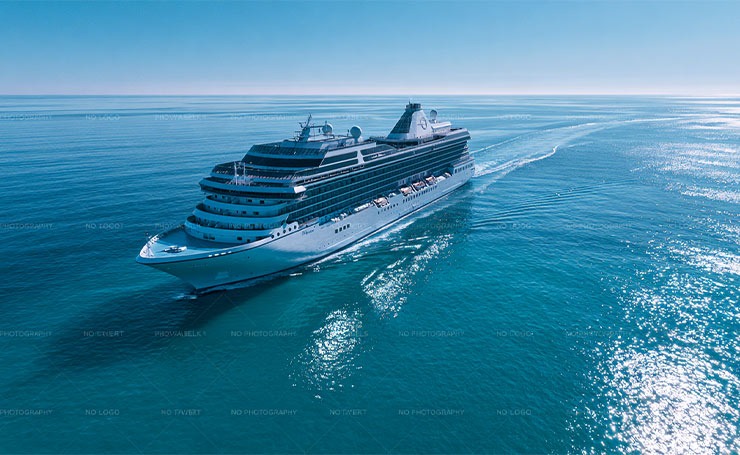
A cruise vacation is basically traveling on a ship that stops at multiple destinations. You get accommodation, meals, and entertainment on board. Cruises are beginner-friendly because
- The company handles the logistics.
- You only pack once.
- Food and entertainment are included.
- Transportation between destinations is seamless.
This is why cruising is a suitable option for first-time travelers, families, and anyone who likes a structured and stress-free trip.
Step 1: Choosing the Right Cruise Line
A cruise line can make or break your trip. This is why it is important to choose a company that gives you a memorable experience.

What Makes a Cruise Line Beginner-Friendly
For first-time travelers, you need to make sure the cruise line you decide on offers the following.
- Clear pricing and packages
- Wide range of onboard activities
- Good customer service
- Flexible dining and entertainment options
Popular Cruise Lines for First-Time Cruisers
Here are some cruise lines praised for being beginner-friendly.
- Royal Caribbean: It is known for its innovative ships, a large variety of activities, and modern amenities.
- Carnival Cruise Line: It is often more affordable and offers a relaxed and lively atmosphere.
Some other options you should explore are MSC Cruises and Norwegian Cruise Line. These offer flexible dining and competitive pricing.
How to Choose Based on Your Travel Style
Another important thing to consider is choosing the cruise line that aligns with your travel style.
- Choose family-friendly lines if you are traveling with children.
- Choose activity-focused cruises if you like entertainment and adventure.
- Choose smaller cruises or premium lines if you want a quieter experience.
Step 2: Picking the Perfect Itinerary
Your itinerary determines where you go and how your days are structured. You can choose the one that suits you and allows you to see the destinations you’ve always wanted. Here are some of the best cruise destinations for first-timers.

Caribbean Cruises
These cruises are easy to navigate and widely available. The main focus of itineraries is visiting beaches, relaxation, and different water activities. On these cruises, you will typically enjoy a mix of sea and port days.
Mediterranean Cruises
These cruises are more culturally focused, including visits to historic cities and landmarks. These itineraries usually include less sea time and more days at ports.
Sea Days vs Port Days
Sea days are days that are spent entirely on the ship. You get to relax, visit spas, meet other people, enjoy onboard dining, and other entertainment.
Port days are when the ship docks at destinations. During these days, you can explore new places and get a chance to meet locals and try local dishes.
If you are a beginner, a balanced itinerary with 2 to 3 sea days and 2 to 3 port days will be more enjoyable, allowing you to relax on board while also exploring different destinations.
Step 3: Understanding Cruise Ship Cabin Types
This is another important decision that is based on your comfort, budget, and overall experience.

Interior Cabins
These cabins are usually the most affordable option. However, keep in mind that they do not have windows. You should book them if you plan to spend little time in your room and want to explore outdoors.
Ocean View Cabins
These cabins have mid-range pricing. They come with a window or a porthole to let you enjoy the stunning ocean and natural light.
Balcony Cabins
These cabins are on the expensive side, but they come with a private outdoor space. You can enjoy better views and relaxation in these balcony cabins.
Suites
These are larger spaces that come with premium amenities. If you book a suite, you get access to priority services and added perks. However, these rooms fall into the highest cost category.
How to Choose the Right Cabin
Choosing the right cabin comes down to your comfort level.
- If you are short on budget, you can opt for interior cabins.
- If you prefer comfort and a serene experience, balcony or ocean cabins might be great for you.
- If you suffer from motion sensitivity, the best cabins are mid-ship ones because of their stability.
Step 4: Booking Your Cruise
Now, let’s see the essentials of booking your cruise.
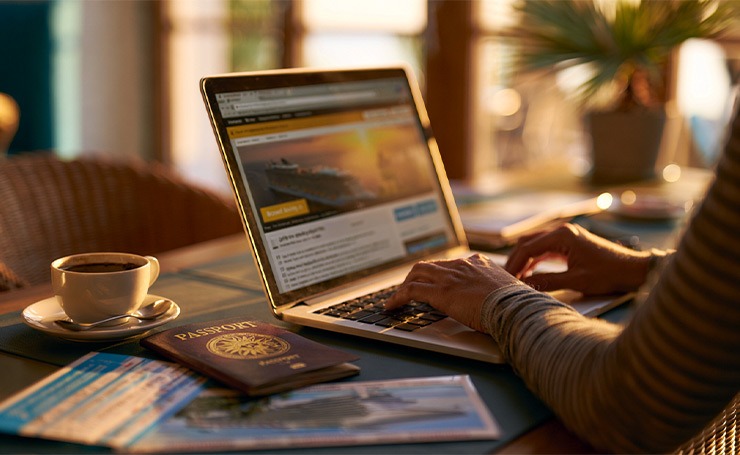
Best Time to Book
As a beginner cruiser, you should know the ideal time to book your trip, and that is booking as early as you can. You should book at least 6 to 12 months in advance to get better cabins and reserve specialty dining venues. You can also book last-minute for cheaper deals, but you will have limited options.
What’s Included in Cruise Pricing
The following are included in a cruise fare.
- Accommodation
- Main dining and buffet meals
- Basic beverages (water, coffee, tea)
- Entertainment and onboard activities
Common Extra Costs
To get the following, you need to pay extra.
- Wi-Fi
- Specialty dining
- Shore excursions
- Beverage packages
- Gratuities
Make sure to do your proper research to avoid getting unpleasant surprises later.
Step 5: Travel Insurance for Cruises
Travel insurance is extremely important when you are traveling on a cruise. It can cover your medical emergencies (particularly important at sea), trip cancellations or interruptions, and lost or delayed luggage.

Medical care onboard can be expensive, and international travel is involved. Therefore, insurance is necessary to add an important layer of protection.
Step 6: What to Pack for a Cruise
Here is everything you should pack for your trip.
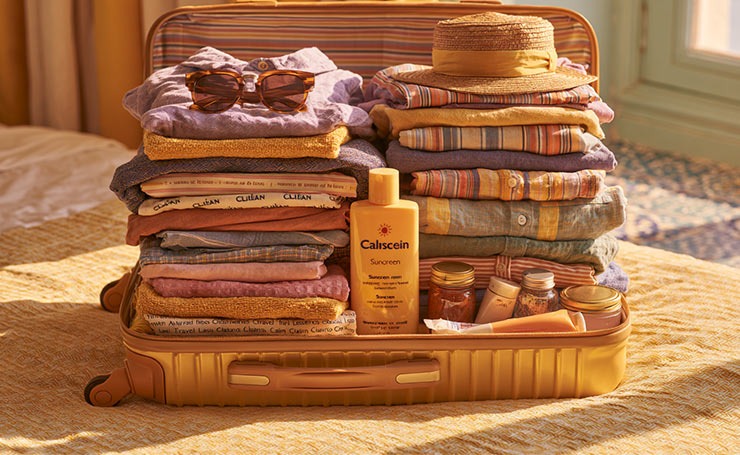
Clothing
- Smart Casual: Many cruise ships encourage smart casual attire for a comfortable yet polished look.
- Formal Wear: This is particularly important for formal evenings onboard. Women can pack gowns or elegant pantsuits. Men should pack tuxedos or dinner jackets with slacks.
- Resort Wear: These clothes will help you explore ports comfortably. Pack breathable options like shorts, T-shirts, sundresses, comfortable pants, and skirts. Do not forget your swimsuits and cover-ups.
- Outerwear: Keep light jackets or sweaters with you, as the weather can be unpredictable at sea and in port. If you are cruising to a colder region, like Alaska, pack heavier jackets.
- Footwear: Pack sandals, comfortable walking shoes, sneakers, hiking shoes (if your itinerary includes nature trails), and dress shoes.
Toiletries and Hygiene Items
You will find many essential toiletries available on board. However, if you want to bring your personal items, here is everything you should pack.
Basic Items
- Toothbrush and toothpaste
- Deodorant
- Floss
- Body wash
- Body lotion
- Razor and shaving cream
- Skincare products, including cleanser, moisturizer, etc.
- Hairbrush
Sun Protection
Relaxing on beaches and sun loungers on board should be on your bucket list. However, it is important to protect yourself from UV rays through sun protection.
Be sure to pack
- Sunscreen
- Lip balm with SPF
- Sunglasses
- A sun hat
Personal Health Essentials
Taking care of yourself during the trip should be your priority. Make sure you have the following in your luggage.

- Prescription medicine
- Pain killers
- Motion sickness medication
- Stomach pain relievers
- Cold and allergy medicine
- A small first aid kit with band-aids and other essentials
- Hand sanitizer
- Anti-bacterial wipes
Accessories and Documents
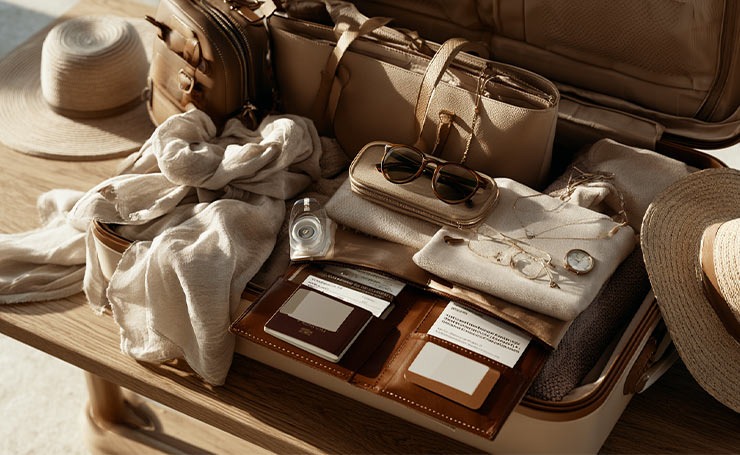
Bags
You should have a suitable bag for daily activities.
- A backpack for exploring ports and shore excursions
- A tote or beach bag to carry your essentials and shopping
Eyewear
While it seems unnecessary, having the right eyewear is essential to protect your eyes while lounging on the deck or during sightseeing.
- Prescription glasses, because you need to take care of your sight
- Sunglasses to prevent the harsh glare of the sun
- Contact lenses and solution (if needed)
- A protective glasses case and a cleaning cloth
Accessories
Keep it simple with accessories. Pack only what you think is necessary.
- Minimal jewelry for formal nights
- A scarf or shawl for cold protection
- A stylish hat for both sun protection and fashion
Travel Documents
Pack all your important documents to avoid inconveniences later on.
- Cruise tickets
- Boarding passes
- A passport
- Visas for specific destinations
- A driver’s license or government-issued ID
- Travel insurance documents
Money and Storage
While everything is included in the cruise fare, which you pay in advance, you still need some financial essentials.
- Wallet with ID and payment cards
- Cash, because some small shops in ports might not accept cards
Technology and Gear
Technology can help you capture moments and provide entertainment.
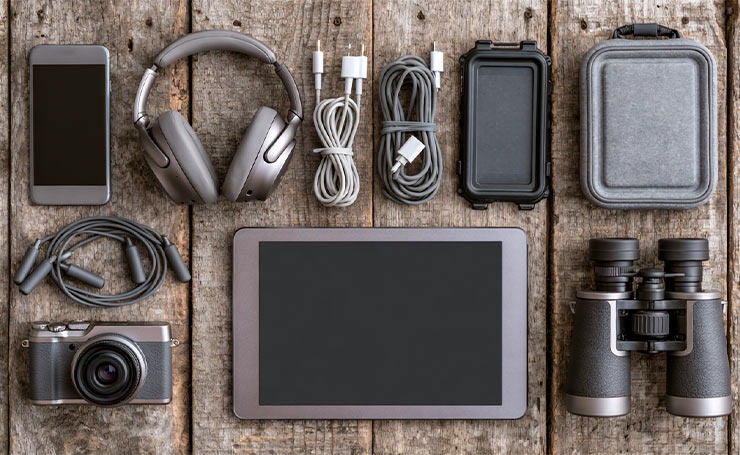
Devices
- Your smartphone
- An e-reader or a tablet, if you like to read
- A camera (if needed, otherwise you can take pictures with your mobile)
- Noise-canceling headphones or earbuds
Moreover, do not forget to pack chargers for your devices.
Extra Items
To make your trip more convenient, you should pack
- Waterproof phone case
- Binoculars (for scenic cruising)
Additional Considerations
Some extra items can really make your trip comfortable.
Travel Aids
- Earplugs (if you are a light sleeper)
- Sleep mask (to rest better)
- Compression socks (for long walks)
For Comfort
- Snacks (completely optional; cruises have plenty of options on board, but you can bring your favorites)
- Books, magazines, and crossword puzzles to keep you entertained
- Small blanket or travel pillow
For Organization
Cruise cabins have built-in storage, such as drawers and wardrobes. But to maximize the space and keep things tidy, you might need
- Over-the-door organizer
- Magnetic hooks
- Packing cubes
What Not to Pack
Now that you know what to bring, there are some things that are completely prohibited on board. Knowing the list will keep you out of any real trouble.
- Weapons, such as firearms, explosives, knives, scissors, pepper spray, handcuffs, and stun guns
- Electrical appliances like irons, steamers, kettles, hot plates, coffee makers, and extension cords with surge protectors
- Controlled substances, such as illegal drugs, narcotics, marijuana, and CBD products
- Alcoholic drinks; however, some cruise lines allow adults to bring a certain amount of wine or champagne
- Drones
- Sports equipment, such as surfboards, electric scooters, and hoverboards
- Pets except service animals
Step 7: Embarkation Day Tips
Embarkation day is when you board the ship. Here is what to expect.
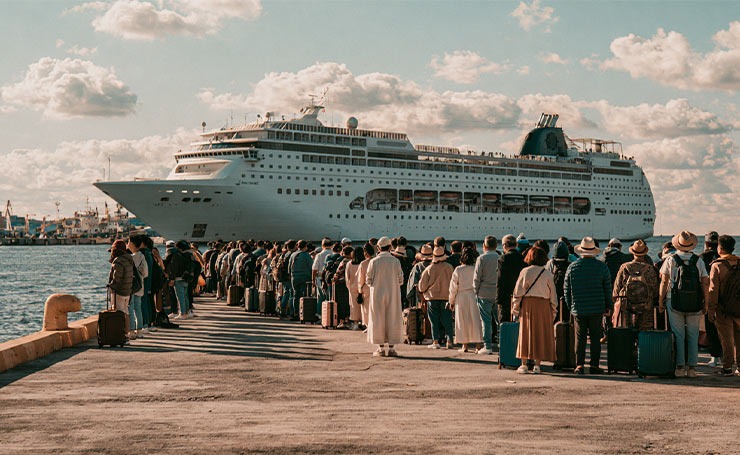
The embarkation process is simple. However, there are some things you need to do before and during it to make it as seamless as possible.
What Happens on Boarding Day
Boarding a cruise is similar to boarding a plane. When you arrive at the cruise terminal, you will have to go to a specific check-in point. After reaching the check-in desk, you will have to present the following.
- Your passport
- Visas, if applicable
- Tickets
- Travel insurance details
- A credit or debit card that is linked to your onboard account
Then, you will set up your onboard account and get a key card for your stateroom. Your picture will also be taken, so that the ship can confirm your identity every time you get on and get off the ship.
Some cruise lines may issue a wearable device that will give you access to your cabin and also act as your card, so your onboard expenses can be added to your account.
What Happens to the Luggage
You do not have to hold your luggage the entire journey. When you arrive at the terminal, you will have to hand your luggage over to the porters, who will screen it and load it onto the ship. It is delivered to your room once you board the ship.
We advise you to bring a carry-on bag and keep your absolute essentials in it for convenience.
What is a Muster Drill?
You might have heard the term “muster drill.” It is an important part of the embarkation process and a legal requirement under maritime law. You will be asked to gather in a specific place on the ship at a certain time, where you will be guided through the onboard safety procedures.
How Early Should You Arrive to Board the Cruise?
It depends on you. Embarkation usually starts in the morning and ends one or two hours before departure. So, it is up to you whether you want to board early or late. Arriving early means you might have to face long waits and queues. Showing up later means you will be on the ship sooner, with less wait time and fewer crowds.
Key Tips
- If you have to fly in to board, it is better to arrive a day earlier at the departure port.
- Be prepared to wait in a long queue. Bring snacks and drinks, and if you have kids, manage their entertainment as well.
- Have your documents in order even before you leave your house.
- Avoid the buffet the moment you are on board. Chances are, everyone will be hungry, so the place will be crowded. Wait for some time before sitting and treating yourself.
Step 8: Life Onboard: What to Expect
The real fun begins once you are on board. Whether you want a relaxing retreat or an adventure, or want to experience different types of cuisines, you can experience it all on the ship.
So, let’s see what to expect.
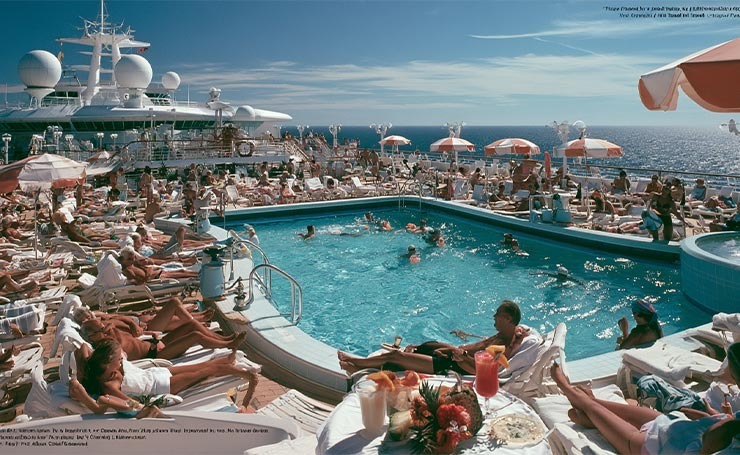
Dining
Whether you like buffet, specialty venue, or luxurious in-suite dining, you can experience it all on the ship. Families, foodies, and even guests with allergies can find a variety of options, including themed venues and locally sourced ingredients.
Spa and Fitness
Wellness, health, and comfort are key experiences on many ships. You can relax on sun loungers, relax in a pool, and rejuvenate in a spa. You will also find gyms, yoga, and Pilates classes with state-of-the-art fitness equipment.
Entertainment
The entertainment on cruise ships is unmatched. You can enjoy Broadway-like and nightly shows, listen to famous musicians, and attend live performances of entertainers in the theatres.
Some cruises also invite lecturers and offer guests enrichment opportunities to learn about topics of interest or the destinations they are visiting.
Casino and Nightlife
If you like nightlife and casinos, ships have that too. They typically offer table games and slot machines. Many ships also do not allow smoking inside the casinos to prevent guests’ discomfort.
Moreover, nightlife is also abundant on board with bars, pubs, clubs, discos, and more. You can enjoy live jazz, stand-up comedy, DJ dance parties, live bands, and karaoke.
Gratuities
Gratuity policies and amounts vary by cruise line; however, many lines offer all-inclusive options. Gratuities are included in the cruise fare, and guests do not have to pay any additional tips. There are also many prepaid gratuity options.
Shipboard Credit
Shipboard credit is the free money a cruise line awards you, which you can spend on specialty dining, shore excursions, shopping, spa services, and more. The amount you receive depends on the cruise line you choose, promotional considerations, and stateroom category.
Shopping
The number and inventory of shops on board depend on the size of the cruise ship. However, you will find almost everything, from vacation items to duty-free products. Some ships also have high-end designer boutiques and jewelry.
Step 9: Shore Excursions for Beginners
Shore excursions are the highlight of your cruise. These are basically organized tours or activities that happen when a ship docks at a destination. They can include visits to historical places and activities like snorkeling, etc.

Types of Excursions
There are different types of shore excursions. You can select the ones that suit your budget, interests, and fitness level.
- Sightseeing and cultural tours: They are ideal if you want to learn about a destination and include tours to landmarks, temples, UNESCO World Heritage Sites, and more.
- Adventurous excursions: These need a moderate to high fitness level and are great for people who enjoy the outdoors. The activities include cycling, scuba diving, ziplining, hiking, and kayaking.
- Nature and Wildlife: These focus on local ecosystems and natural landscapes. You can expect whale watching, bird watching, rainforest walks, safaris, and visits to national parks.
- Relaxation: These are for travelers who prefer relaxing. Beach days, boat cruises, and spa visits allow people to explore at a slower pace.
- Food and drink: These are superb for foodies. You can experience local cuisines through tastings, participate in cooking classes, and visit vineyards for an immersive experience.
Booking Options
You can book shore excursions in two ways. You can book through the cruise line or an independent tour operator.
Cruise line shore excursions are organized according to the ship’s schedule. They are suitable for destinations with heavy traffic or long travel times, as the cruise line takes responsibility for delays or other unforeseen circumstances.
Booking excursions independently is an affordable and flexible way; however, you need to manage your time properly because the ship does not wait if you are late.
For first-time cruisers, we advise using cruise line excursions initially. You can start booking independently once you feel confident.
Step 10: Common First-Time Cruiser Mistakes to Avoid
Making mistakes as a first-time cruiser is normal. However, avoiding them ensures a smooth experience. Here’s what to avoid.

- Overpacking
- Not budgeting for extra costs
- Skipping travel insurance
- Booking excursions without research
- Arriving very late on embarkation day
Step 11: Disembarkation Day: What to Expect
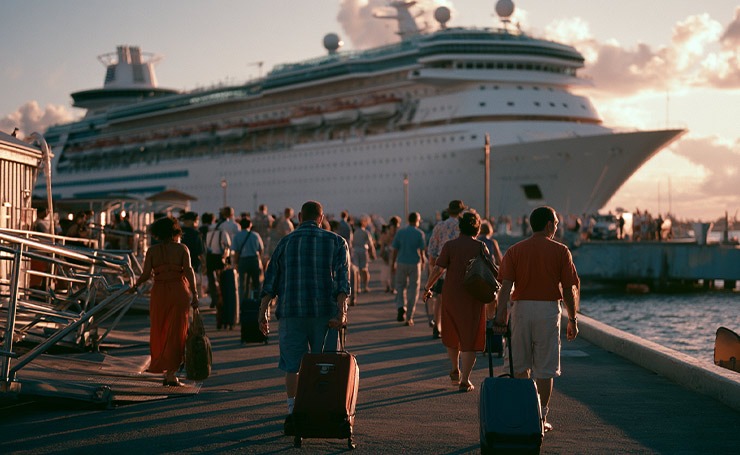
- The Night Before: Pack your large suitcases and place them outside your room. Keep your essentials in a carry-on, such as toiletries, medications, travel documents, a change of clothes, and charged electronics. You will receive instructions about your assigned departure group and time.
- The Morning: Breakfast is usually served from 6 to 8 AM. Eat early, then do a final sweep of your cabin (closets, drawers, bathroom) to make sure you are not leaving anything behind. When your group is called, head to the disembarkation area.
- Leaving the Ship: Passengers are grouped by cabin category, deck, and loyalty status. Suite guests and loyalty members often get priority. Expect long queues. You will have to pass through customs and immigration. So, have your boarding pass, passport, and other documents ready.
- Transportation: Options at the port include taxis, cruise line shuttles, and private transfers. If you did not pre-arrange transportation, options are available, but you may need to wait longer.
- Late Departures: If your flight is late, check with your cruise line. Some allow you to stay in the lounge or certain ship areas. Many ports also offer luggage storage so you can explore the city.
- Key Tips: Stay patient, be flexible, plan for any delays in advance, and report any lost luggage immediately to the cruise line or port staff.
Final Thoughts: Is Cruising Worth It for First-Timers?
For most travelers, cruising is an excellent first travel experience. You enjoy convenience, entertainment, and the opportunity to visit multiple destinations without the worry of constant planning.
Read this first-time cruise guide to understand the basics, such as booking, packing, and onboard life, and you will find cruising an enjoyable way to travel.
Ready to plan your next trip? Visit Cruise Tidal for in-depth guides.
FAQs
How much does a First Cruise Cost?
Costs vary depending on cruise line, cabin type, and destination. However, budget cruises can start relatively low, while luxury cruises charge significantly more.
Are Cruises Safe for Beginners?
Yes, the majority of cruise lines follow strict security protocols and are generally very safe.
Can I get Seasick on a Cruise?
It is possible, but modern ships are more stable, and medication helps as well.
