
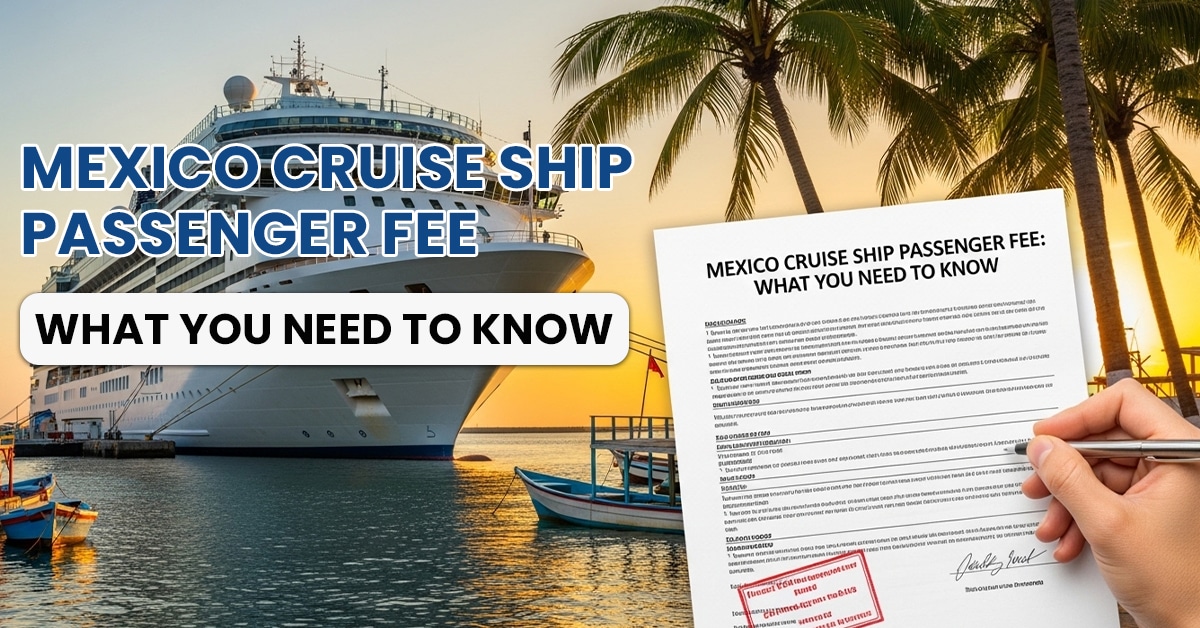
Mexico is a dream cruise destination for many people. Whether you are a seasoned cruiser or want to travel there for the first time, this place offers a blend of culture and nature.
However, a new Mexico cruise passenger fee has been introduced recently. Understanding this fee is essential to avoid any surprises during your journey. Knowing the fee is also important to budget your trip mindfully.
In this blog, we will learn about this fee, why it was introduced and how it is being implemented. Moreover, we will delve deep into what it means for travelers, cruise lines and local economies.
30-Second Summary
Mexico has an excellent blend of nature and culture. However, the sunny cruise vacation you are planning has become slightly more expensive.
The Mexican government has introduced a new Mexico cruise ship passenger fee. This blog covers every aspect of it. Learn what it is, how it is impacting and what to expect in the future in this comprehensive guide.
What is the Mexico Cruise Ship Passenger Fee?
The Mexico cruise ship passenger fee is also referred to as the Non-Resident Duty. This new charge is imposed on passengers of cruise ships. Whether you remain on board or disembark, you have to pay this fee at a Mexican port.
The phased fee rollout for 2025, 2026, 2027 and 2028 is:
- $5 per passenger starting from 1st July, 2025
- $10 per passenger starting from 1st August, 2026
- $15 per passenger imposed from 15th July, 2027
- $21 per passenger starting from 1st August, 2028
This new fee is separate from taxes. Moreover, it is applied per port call, meaning that multiple stops at Mexican ports will come with multiple fees.
Background of the Mexico Cruise Ship Passenger Fee
Originally, the Mexican government proposed a $42 tariff on each passenger back in December. This Non‑Resident Duty fee was supposed to be collected from 1st January 2025, even from passengers who do not disembark at the port.
This news gained significant criticism from cruise lines, tourism operators and port agents. They feared that this Mexico cruise ship passenger fee would discourage travelers and cause harm to local economies.
After extensive negotiations by the FCCA and complaints from cruise lines, the fee became significantly lower. However, over the next three years, the fee will increase to $21 per passenger.
Passengers will not pay this fee directly to the Mexican government. It will be added to their cruise cost. This lowered fee was seen as a win for local vendors and small businesses who heavily rely on cruise traffic.
Mexico cruise ship passenger fee: Reason for Implementation
The Mexican government introduced the Mexico cruise passenger tax to ensure equal contributions from cruise travelers and land and air travelers.
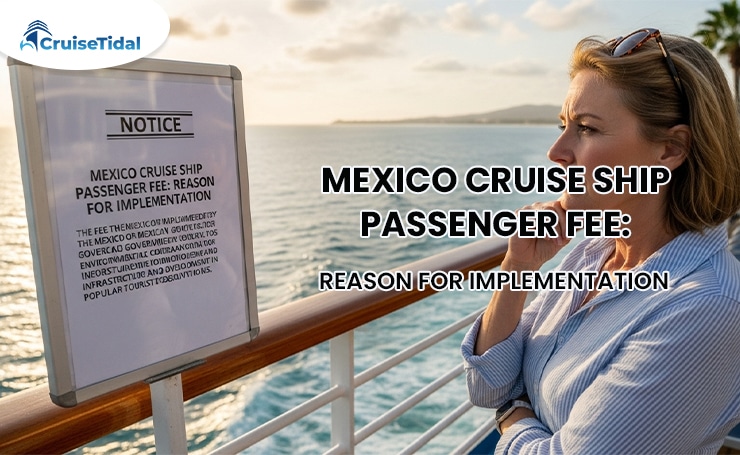
This fee is also introduced to support different government initiatives, boost public revenue and fund infrastructure development. It is supposed to split like this:
- Two-thirds will go to immigration services and national defense, as cruisers require inspection and processing.
- One-third will fund the infrastructure maintenance and tourism promotion. It will include maintaining ports, beaches and local facilities.
The fee will generate a significant amount, as according to FCCA, around 3,300 ships will stop at Mexico this year, bringing 10 million passengers.
Implementation: Timeline and Affected Ports
The new Mexico cruise ship passenger fee takes effect on July 1, 2025. It will apply to every cruise passenger, regardless of whether they stay onboard or disembark. Moreover, it is implemented at every single Mexican port of call.
It affects all the major ports, including:
- Cozumel
- Costa Maya
- Puerto Vallarta
- Progreso
- Ensenada
- Puerto Chiapas
- Mazatlán
Impact of the Fee on the Local Economy
Mexico cruise ship passenger fee significantly impacts the local economies. On the one hand, the revenue from this fee will be allocated to infrastructure maintenance and tourism development.
This approach will improve conditions for tour operators, vendors and port workers. However, it can also cause a short-term economic strain. Many small businesses rely on cruise traffic. A slight change in the disembarkation rate, ports call and excursion bookings can impact:
- Local tour guides and excursion operators
- Local vendors and artisans
- Independent transportation
- Small restaurants and food stalls
Another concern is that cruise lines may shorten the stay or change itineraries to avoid paying a high fee. Ports like Mazatlán or Puerto Chiapas, where cruise traffic is necessary, will see a ripple effect on jobs and family-owned businesses.
Impact of the Fee on the Tourism Industry
The new passenger fee has an impact on cruise tourism as well. It shows how Mexico’s government is managing tourism. The Mexican government’s goal is to align the cruise passenger contributions with those of air and land travelers.

This approach is expected to create an equal taxation system. However, this system has its implications.
- Cruise passengers might reconsider traveling to Mexico due to high costs.
- Cruise lines may choose other routes, such as Belize and Honduras, if traveling to Mexico becomes expensive.
- The rise of private islands (like Royal Caribbean’s island in Mexico) will cause money to stay within the cruise line ecosystem instead of local communities.
The tourism industry needs to be cautious now. It has to make sure that the changed Mexico cruise ship passenger fee does not discourage passengers from coming to the country.
Additionally, it has to ensure that the revenue goes to infrastructure maintenance, enhanced cultural attractions and cleaner ports to maintain Mexico’s status as a famous cruise destination.
Benefits of the Mexico Cruise Ship Passenger Fee
The Mexico cruise ship passenger fee has its positive impacts if the revenue is managed and reinvested properly.
Improved Port Infrastructure
The fee can be used to upgrade cruise terminals, signage, walkways, restrooms and transportation hubs. This approach will improve the “first impression” for tourists and make their journey more enjoyable.
Cleaner and Safer Tourist Areas
A good chunk of the revenue can be used for effective waste management, beach cleanups and public safety initiatives, particularly in bustling tourist areas. This step will improve the overall traveling experience and support environmental conservation.
Boost to Government Services
A part of the revenue is said to support immigration and national defense. This approach can streamline the cruise processing procedure by reducing time and enhancing overall efficiency for tourists and authorities.
Sustainable Tourism Funding
This fee will help Mexico diversify its tourism revenue. Cruise travelers contribute to the economy, but less than land and air travelers. By fixing this issue, cruise tourism will play an equal part in the nation’s progress.
Long-Term Economic Planning
This new Mexico cruise ship passenger fee ensures a consistent stream of revenue. Using it, local and federal governments can plan long-term investments. They can invest in tourism marketing and public infrastructure to attract more tourists in the future.
Encourages Quality Over Quantity
The slight rise in the fee may shift focus from mass tourism to high-value tourism. It will result in fewer crowds. But these tourists will be more engaged and spend well, those who can meaningfully contribute to the local community.
Cruise Lines’ Response to Mexico Cruise Ship Passenger Fee
Cruise lines initially pushed back against the proposal of $42 per passenger fee. Charging the fee to passengers who are not disembarking was deemed excessive. They warned of itinerary changes to avoid Mexico’s port of calls.
They also warned the government about increased costs for consumers and operational challenges of port logistics.
FCCA led the negotiations of a phased approach. Right now, cruise lines have not formally announced the increased price. It is expected that the fee will be included in cruise fares.
Comparison of Mexico Fee with Other Caribbean Ports
Let’s see the Caribbean ports’ competitiveness with the newly proposed Mexican passenger fee.
| Port Destination | Average Fee | Mexico’s new Fee (2025) | Mexico’s future fee (2028) |
| Bahamas | $18-$25 | $33.85 | $49.85 |
| Jamaica | $19-$23 | $33.85 | $49.85 |
| Puerto Rico | $15-$22 | $33.85 | $49.85 |
| Mexico (Cozumel) | ~$28.85 | $33.85 | $49.85 |
Cruise Ports at the Risk of Losing Business
Some cruise lines are reevaluating their itineraries due to the changed Mexico cruise ship passenger fee. Cruise lines that cater to budget-friendly passengers may not include high-traffic Mexican ports such as Puerto Chiapas and Mazatlán.
Belize, Roatán, Honduras, Curaçao, Aruba and the Dominican Republic will see benefits if cruise lines bypass Mexico and visit them.
Traveler’s Tips: What You Should Know Before Booking
Here are some tips you should know before you book a cruise trip to Mexico.

Check your fare: Make sure to check your fare. See if the new passenger fee is included in it to avoid any last-minute surprises.
Multiple Mexican ports: The increased Mexico cruise ship passenger fee is applied to every single port. If you are visiting Cozumel and Progreso, you will pay twice.
No opting out: You have to pay the fee, even if you decide to stay onboard. There is no opting out in this matter.
Expect slow increases: There are no sudden spikes. According to the cruise port fee schedule for Mexico, the fee will increase slowly.
Track cruise news: You should stay updated about changes in itineraries and cruise fares to avoid any confusion.
Private Resorts vs Local Economies
There is a rising concern as more and more private ports and beaches are being developed. Just like Royal Caribbean is developing a private destination in Mexico called “Perfect Day Mexico.”
The concern is that these private destinations might bypass the local economy. While it may reduce tourist traffic in certain towns, it may also decrease the direct revenue to street vendors, local guides and small restaurants.
It can undermine the intended purpose of the Mexico cruise ship passenger fee. This trend raises questions about whether cruise tourism is benefiting host communities.
Future Outlook: What Happens after 2028?
The last mark of the increased Mexico cruise ship passenger fee is $21 in 2028. Till now, the Mexican government has not said anything about what might happen after that.

However, there are some possibilities:
- The fee remains the same after 2028 permanently.
- The fee will increase after 2028.
- Cruise lines may speak out again if the costs are too high.
It all comes down to how the revenue will be reinvested. If it is used to upgrade local port infrastructure and public spaces, there is a possibility that local communities and the tourism industry will support this policy.
Final Thoughts
While Mexico is a dream place for many cruise travelers, the new fee has created confusion. The first proposal of $42 per passenger by the Mexican government was met with complaints.
After negotiation, mainly led by FCCA, the Mexico cruise ship passenger fee was reduced. Moreover, there is a phased rollout that starts from 2025 to 2028. Till 2028, the fee will see an increase of $5 annually.
There are no updates about how the fee will turn out after 2028. However, in this blog, we discussed some possibilities. Arm yourself with knowledge before setting out on a Mexico cruise.
Moreover, stay updated with the latest cruise-related information through CruiseTidal.
FAQs
What is the New Mexico cruise ship passenger fee?
Mexico announced that starting from 1st July, 2025, there will be an increase of $5 at every Mexican port of call. Even the passengers who do not want to disembark will have to pay the fee. After this increase, the fee is $33.85 per person. By 2028, it will be around $49.85.
Why is Mexico introducing this new per-cruise passenger fee?
This fee aims to upgrade the port infrastructure, public services and environmental sustainability across all Mexican ports.
Will the changed Mexico cruise ship passenger fee be applied at every port?
Yes, the new Mexico cruise ship passenger fee will apply to every Mexican port, including the major ones like Cozumel and Costa Maya.
What can be the positive impact of the New Mexico cruise ship passenger fee?
If the revenue is reinvested properly, it will lead to better port facilities, enhanced travelers’ experience and more sustainable development.
How do Cruise Lines respond to the Cruise tax?
Cruise lines opposed the idea of a sudden increase of $42 tariff for cruise passengers. The concern was that budget-conscious travelers would stop traveling to Mexico. Moreover, they thought of changing the itinerary to bypass Mexico. However, the cost was negotiated down and it became $5 per passenger.
